There is no single way to make art with AI
Artificial intelligence can generate images, transform archives, guide robots, build moving environments or remain in the preparatory phase of a hand-made painting.
The useful distinction is not human versus artificial art, but whether the artist keeps responsibility for selection, editing, material and meaning.

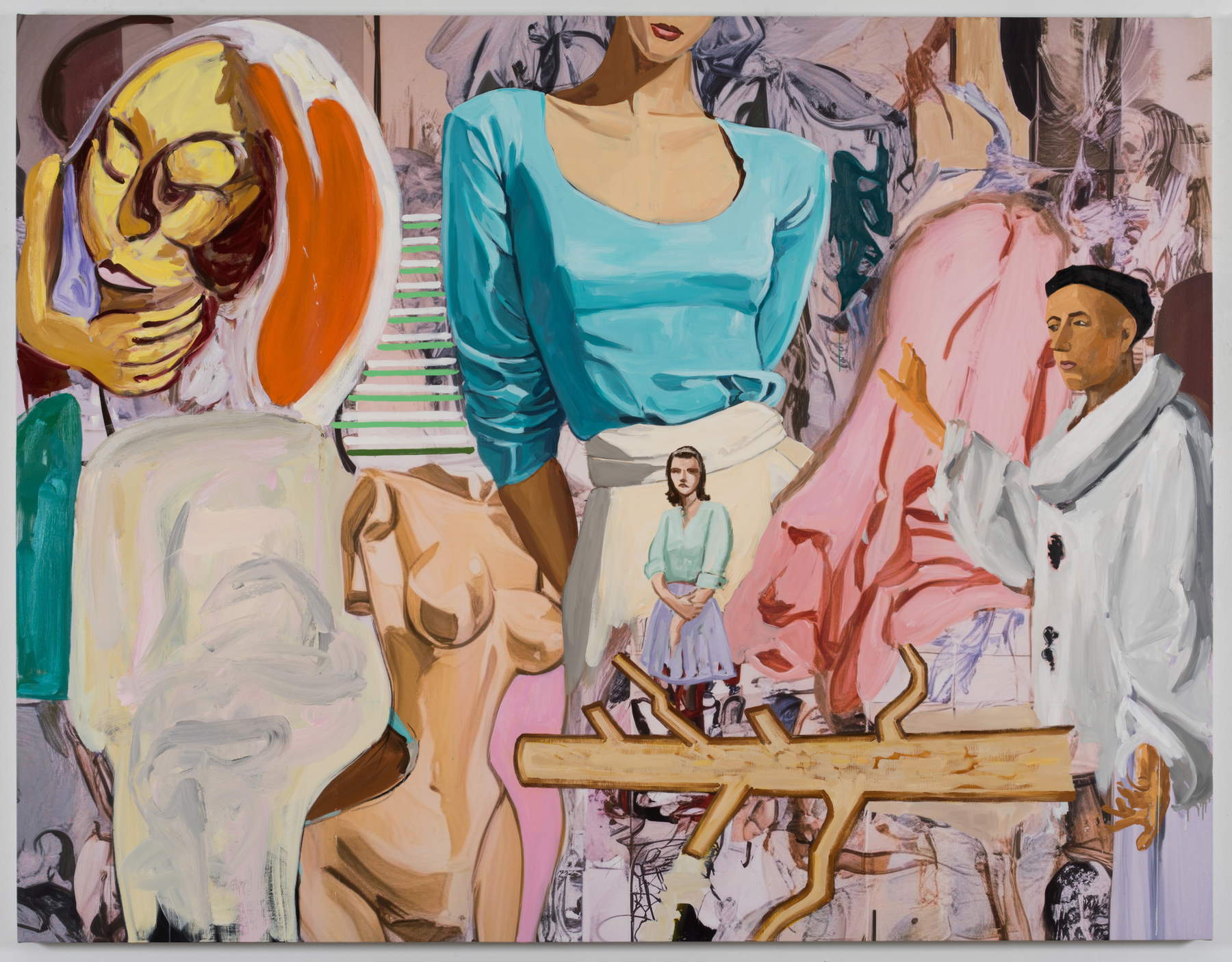
1. David Salle (1952) — United States
Salle trains a custom model on earlier bodies of work, prints the resulting grounds on linen and paints over them with oil, acrylic, Flashe and charcoal.
The machine does not invent another identity: it returns his archive in an estranged form that painting can accept or contradict.

2. Jin Meyerson (1972) — South Korea / United States
Once in a Lifetime turned more than 300 paintings and their digital sources into deep-learning data, then combined the outputs with LiDAR scans, video and immersive space.
AI connects memory, adoption and missing biographical records rather than functioning as surface spectacle.

3. Sougwen Chung (1985) — Canada / China
Since 2015 Chung has drawn and painted alongside robotic systems trained on gesture archives and responsive data.
Authorship becomes a visible physical feedback loop between human movement and machine behaviour.

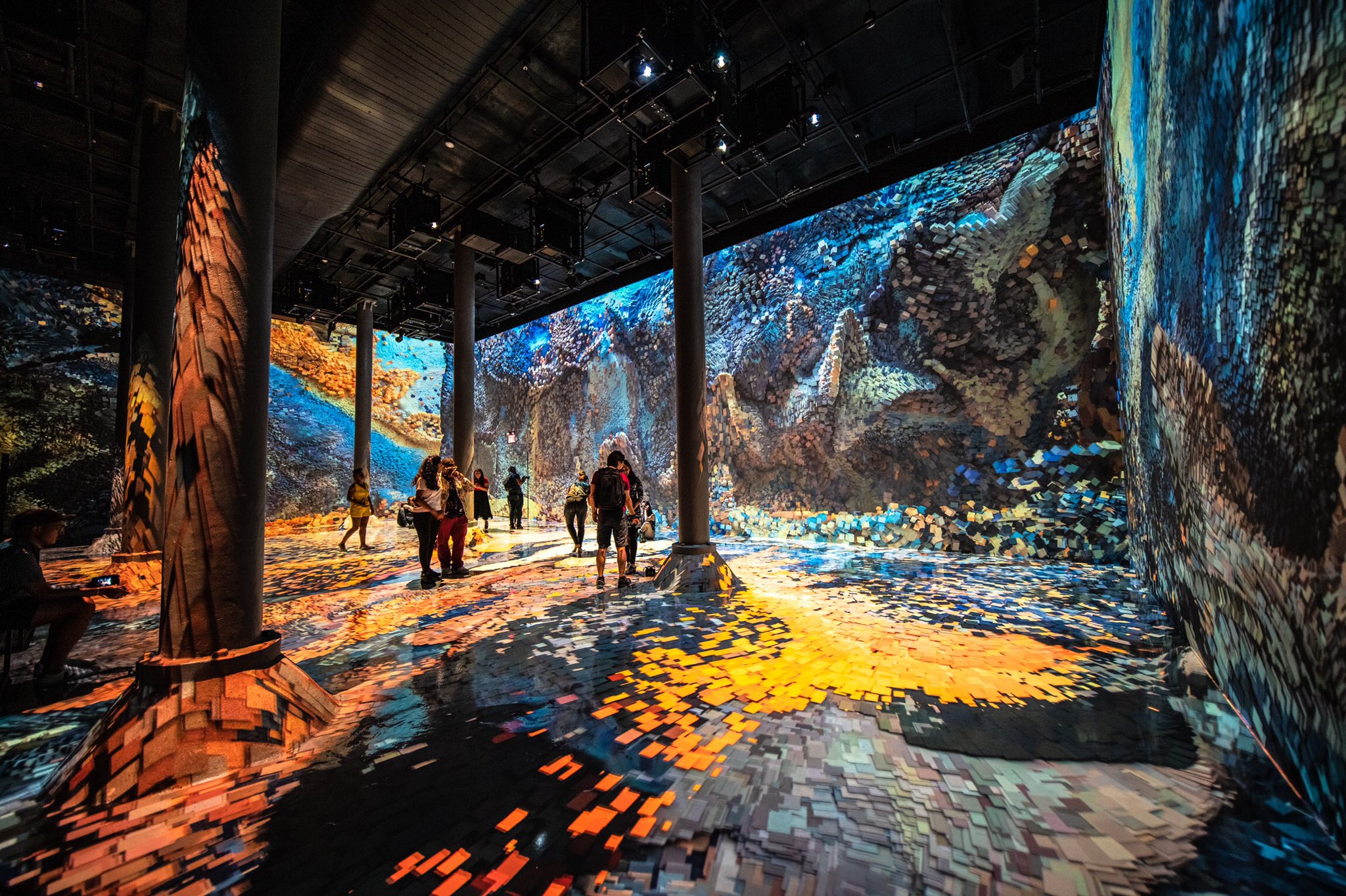
4. Refik Anadol (1985) — Turkey / United States
Anadol turns large visual, sonic and environmental archives into data paintings, data sculptures and immersive installations.
Data behaves like pigment while architecture becomes a moving field of light and time.
5. Mario Klingemann (1970) — Germany
Klingemann is a pioneer of neural-network art, synthetic portraiture and continuously generative systems.
His unstable faces reveal that a model reconstructs learned visual relations rather than seeing a person.

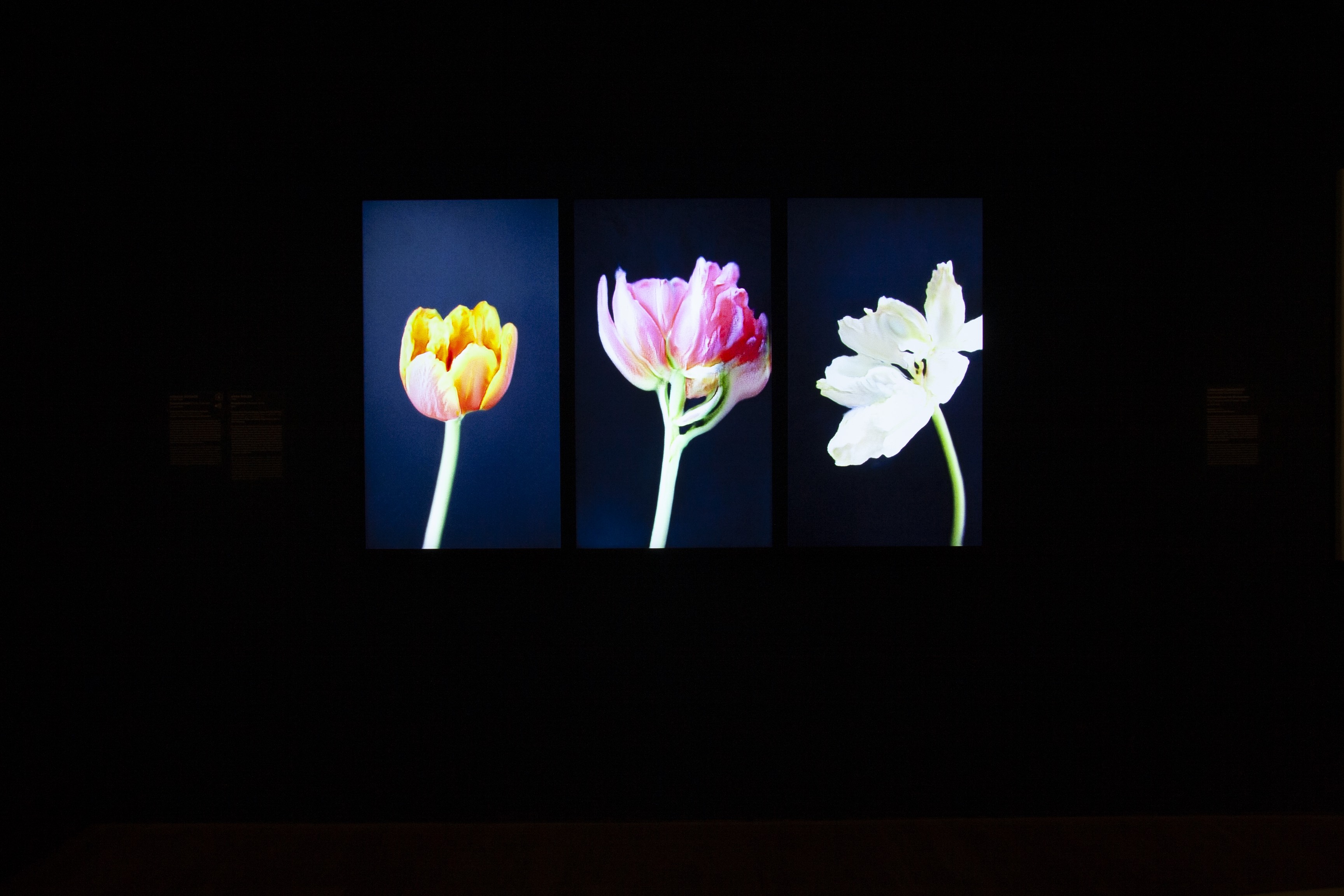
6. Anna Ridler (1985) — United Kingdom
Ridler often builds her own datasets. Mosaic Virus links GAN-generated tulips to bitcoin prices and to the history of tulip speculation.
Collecting and classifying data are visible authorial gestures, not hidden technical preparation.
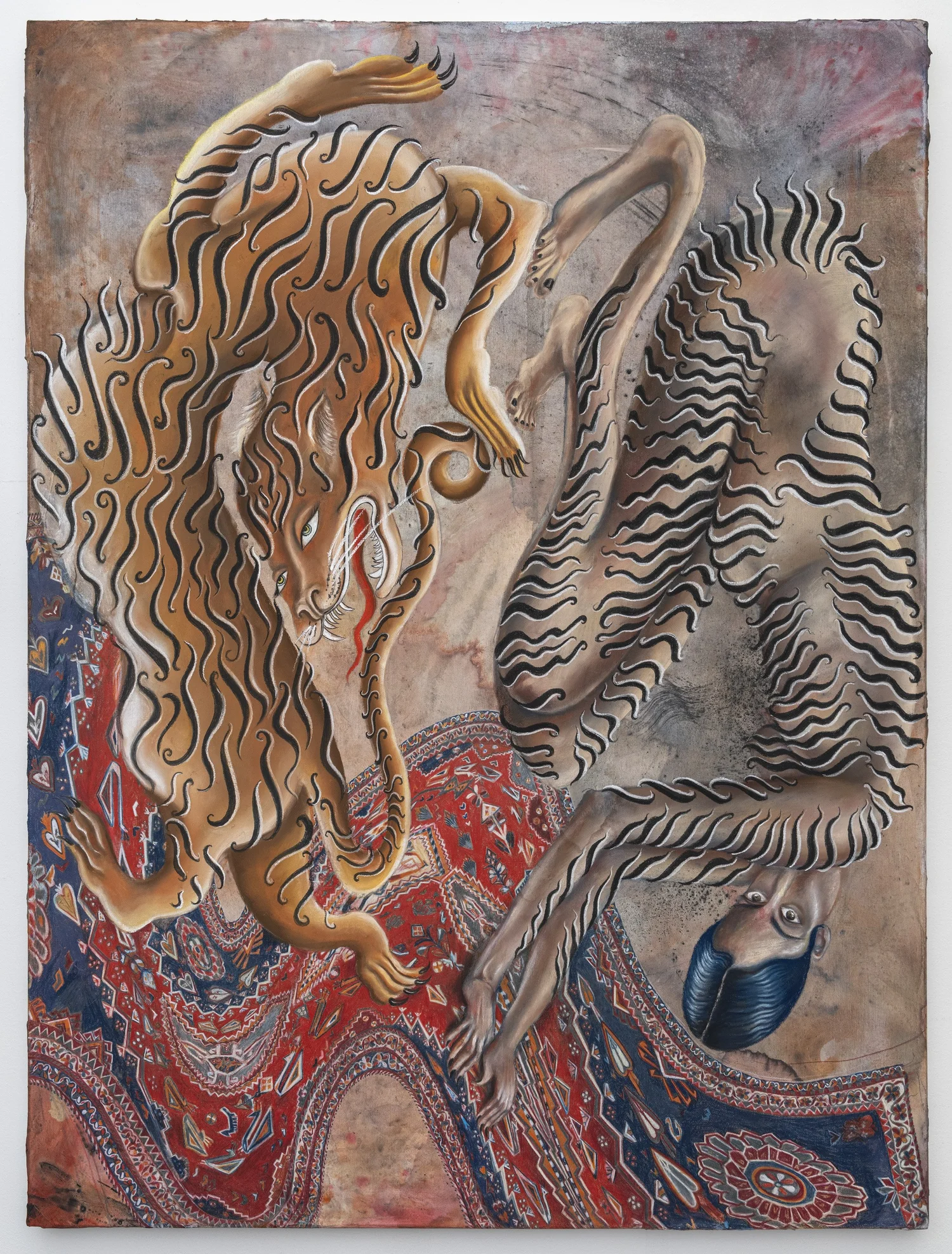
7. Sanié Bokhari (1991) — Pakistan / United States
Bokhari uses AI for references, compositional tests and critical feedback, while the final painting remains slow, layered and manual.
She values glitches and impossible spatial transitions as prompts, not as finished artworks or authoritative answers.
8. Massimo Scognamiglio (1969) — Italy
Since 2023 Scognamiglio has used AI as cinematic material in short films about surveillance, memory and the human condition.
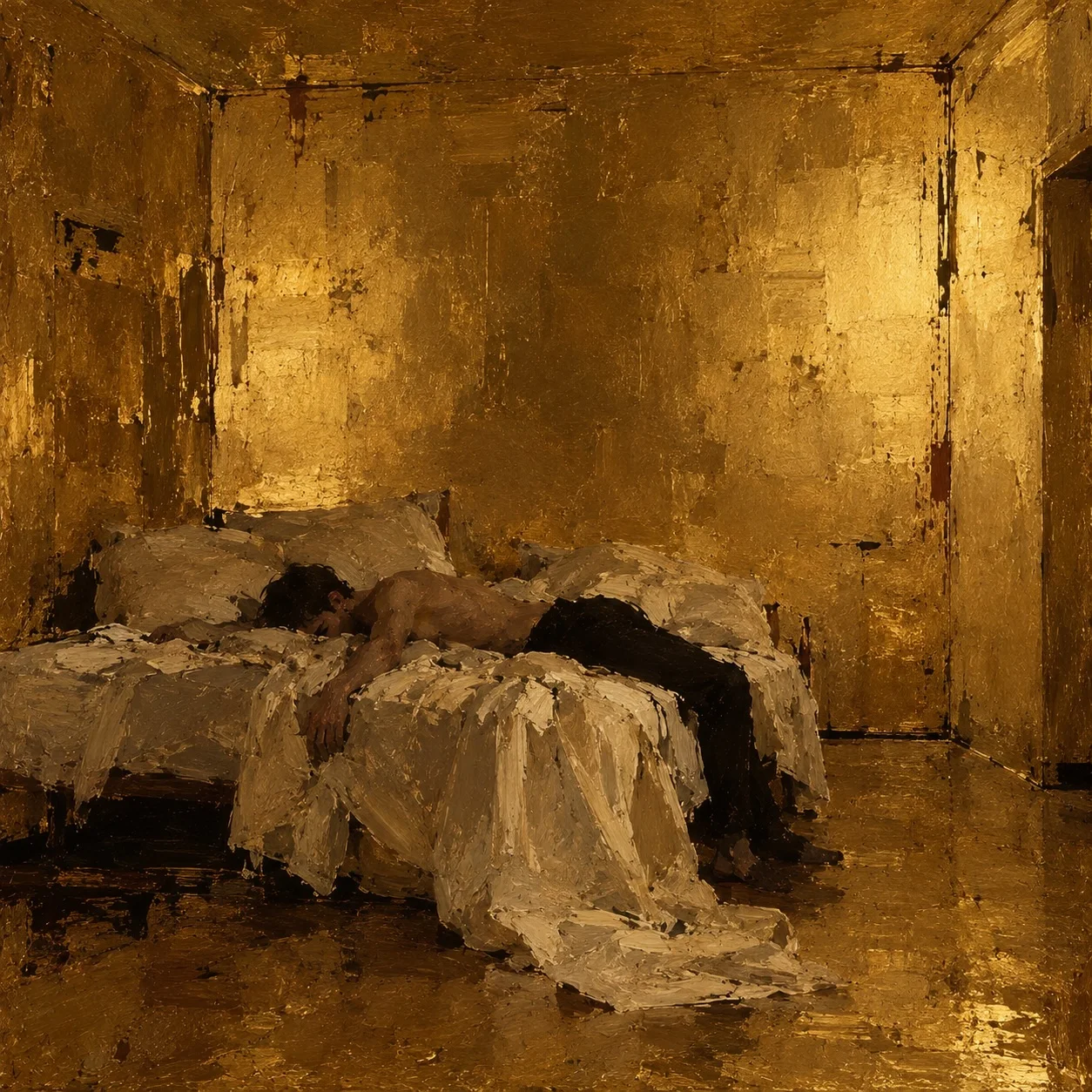
STANZE (2026) combines digital painting, AI, paper, negative tears and gold-leaf patches. Technology extends an established practice across painting, photography, film, performance and writing.
Eight methods, one decisive question
Salle interrogates an archive; Meyerson reconstructs memory; Chung works with robotic gesture; Anadol paints with data; Klingemann questions synthetic portraiture; Ridler exposes the dataset; Bokhari prepares a manual painting; Scognamiglio joins moving image and wounded matter.
The decisive question is not whether an artist uses AI, but where it enters the process and what remains after technological novelty fades.
Sources & links
- Fondazione Giorgio Cini · David Salle, Painting in the Present Tense ↗
- Ulsan Art Museum · Jin Meyerson, Once in a Lifetime ↗
- Sougwen Chung · pratica e biografia ufficiale ↗
- Refik Anadol Studio · profilo e progetti ↗
- Mario Klingemann · Quasimondo ↗
- Anna Ridler · Mosaic Virus ↗
- Observer · artisti, AI e processi creativi ↗
- Massimo Scognamiglio · STANZE ↗
- Massimo Scognamiglio · filmografia AI ↗
David Salle / Fondazione Giorgio Cini / Acquistare Arte / David Salle / Lehmann Maupin / Ocula / © Jin Meyerson / Centre Culturel Coréen / Sougwen Chung / Vancouver Art Gallery · foto Mitchel Sayers / Refik Anadol Studio / Mario Klingemann / Quasimondo / Anna Ridler · sito ufficiale / Sanié Bokhari / Swivel Gallery / © Massimo Scognamiglio Studio