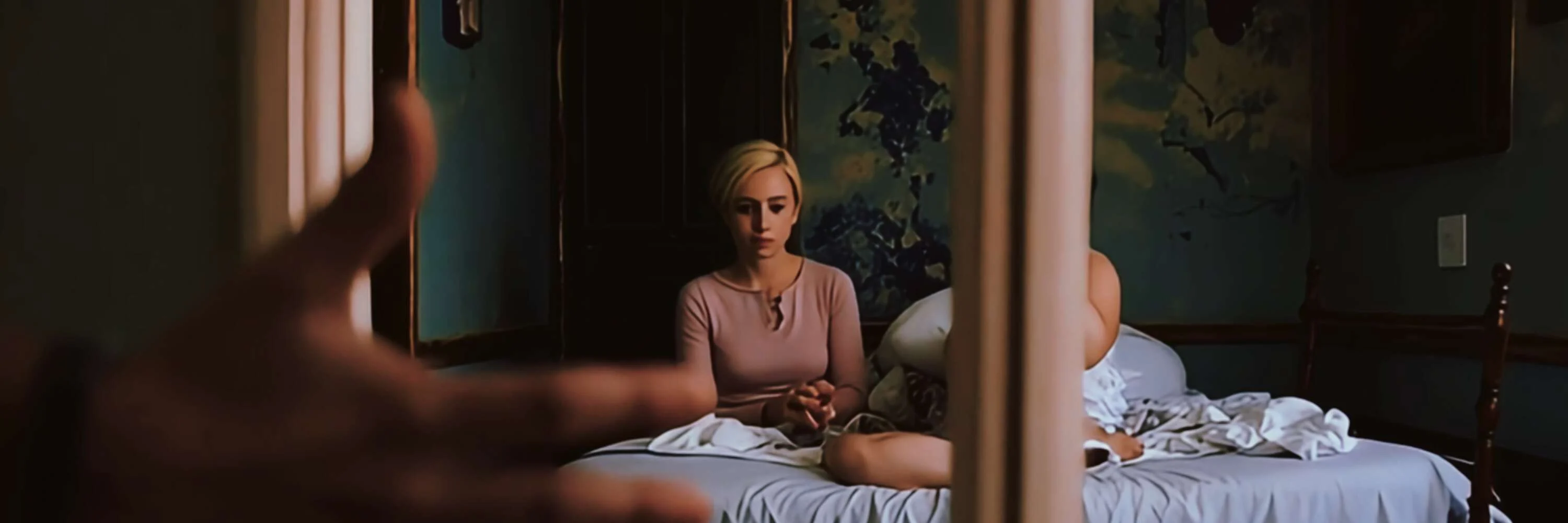
AI becomes cinema
Massimo Scognamiglio, born in Rome in 1969, has worked across photography, painting, video, performance and writing for more than thirty years. The filmography published on FilmFreeway shows that, since 2023, artificial intelligence has become a new production environment: not a series of isolated images, but short films, sequences and edits.
This article uses exclusively AI materials from FilmFreeway. It observes how a practice grounded in identity, memory and the psychic dimension moves into the synthetic moving image.
From 1998 computer graphics to generative models
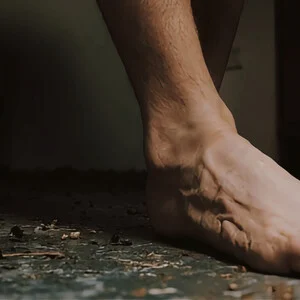
In 1998, La coscienza luccicante at Palazzo delle Esposizioni combined image, pixels and interactivity in an artist’s CD-ROM. In 2005, Videominuto at Centro Pecci placed video within experimentation with webcams and mobile phones. AI arrives after a long engagement with tools that change how we see.
The generative model nevertheless introduces a break: it can simulate bodies, places and styles that have never existed in front of a lens. Scognamiglio uses editing to construct an internal time for images without a photographic past.
The Beginning of AI: naming the beginning
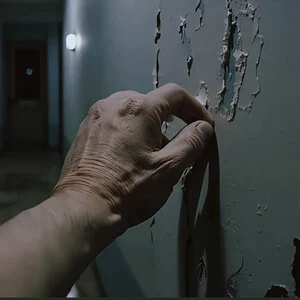
The Elephant in the Room and 100 Kisses, both from 2023, announce the start of a phase in their titles. The first evokes what everyone sees but nobody wants to confront; the second turns an intimate gesture into repetition, catalogue and rhythm.
In 2024, The Little Girl and the Wolves and Under Observation move generation towards fairy tale and surveillance. Girl, pack and external gaze are powerful archetypes because AI makes them familiar and unstable at the same time.
From the frame to the film: why editing matters
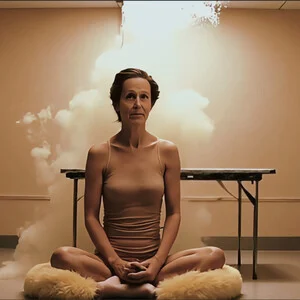
A single generative image can live on surprise. A film must sustain duration, continuity, sound and transformation. In Scognamiglio’s filmography, titles define an emotional field before the sequence even begins.
Editing removes images from the effect of a demonstration. It decides what returns, what disappears and how long a figure can remain believable. This is where AI ceases to be a technical showcase and becomes cinematic material.
2025–2026: an accelerating laboratory
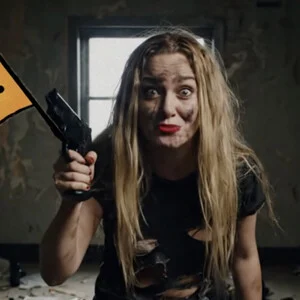
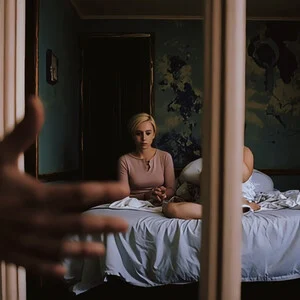
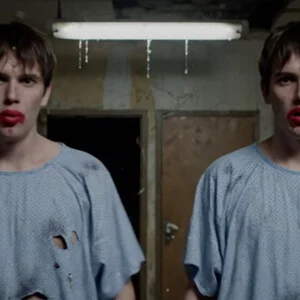
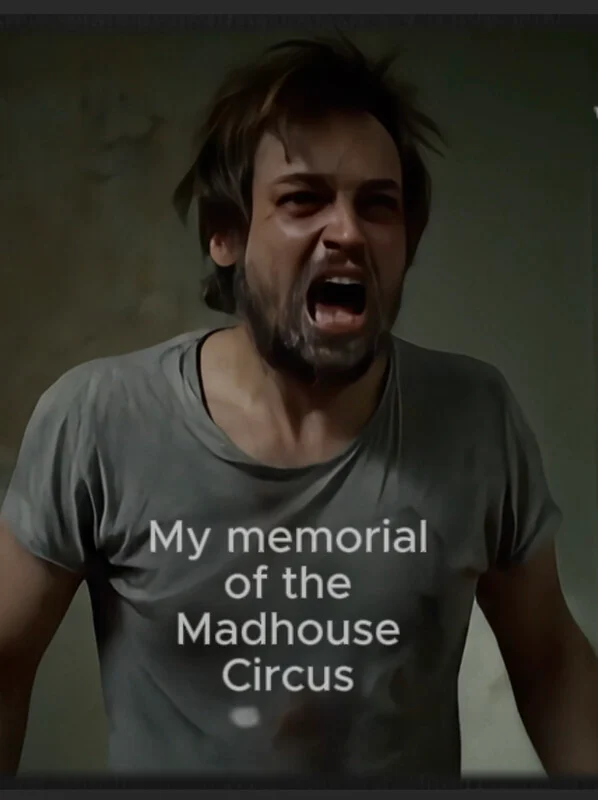
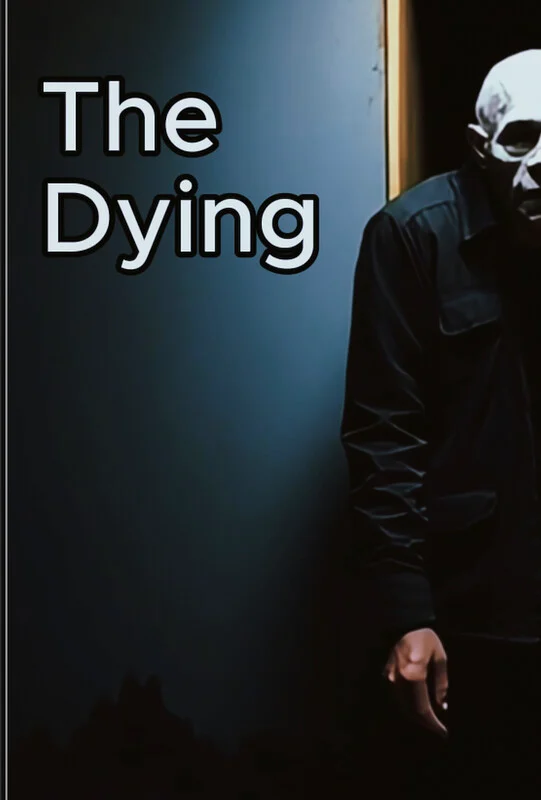
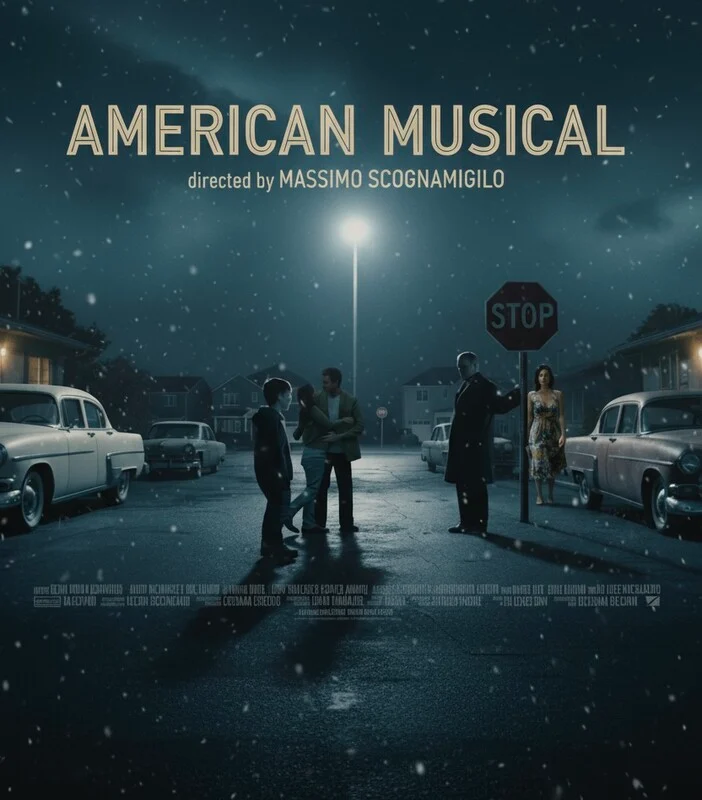
The Lost Tape, The Dying, My Memorial of the Madhouse Circus, Anatomy of My Dreams: Tribute to Jean Cocteau, American Musical, Three Films After Midnight and The F**ing Midwest point to a prolific laboratory. Imaginary archive, death, circus, dream, musical and American geography become formats for trying different registers.
Quantity calls for critical selection. Not every experiment needs to become a definitive artwork. The value of this phase will depend on the ability to distinguish studies from completed films, while preserving versions, credits, tools and dates.
How to preserve and collect an AI film
An AI film requires a high-quality master, an exhibition copy, information on format and duration, subtitles, credits, any edition details and screening rights. It must be clear whether posters and stills are documentation or independent components.
Conservation must include checksums, redundant copies and a migration plan. FilmFreeway documents the public filmography, but does not replace the agreement defining what the collector acquires.
Sources & links
Sito ufficiale dell’artista